

The future of talent is internal: visibility, not scarcity, is the real challenge in talent acquisition
As organisations shift from filling roles to developing capability pipelines, unified career architecture and AI-powered insights are becoming the foundation of mobility, readiness and retention.


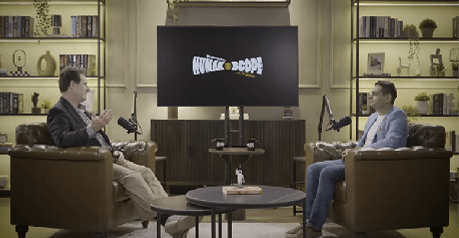
At Siemens Healthineers, diversity and inclusion aren’t compliance checkboxes—they’re a way of life. As Urmi Chatterjee, Head of Human Resources, Asia Pacific Japan and India, Siemens Healthineers, puts it, “Diversity and inclusion are part of everything we do. It’s not something we pursue just for compliance. Being a large development center in India, we’ve realised that diverse ideas, thought processes, and lived experiences drive innovation.”
With over 1,000 women among the 3,000+ employees in the India operations, the company is walking the talk. “I’m especially proud that 50% of our internship team in the Development Center are women leaders. This isn’t just about representation—it’s about creating a culture of inclusion and growth,” she adds.
Women in Non-Traditional Roles
Traditionally male-dominated areas like customer service—particularly in sectors like healthcare, where employees often support hospital and field operations 24/7—are also being reshaped. “Over the past two years, we’ve onboarded women graduate trainees in these roles. Their dedication and performance have shattered stereotypes and expanded what’s possible,” says Chatterjee.
Listening Closely
One of the key measures of progress has been employee engagement, assessed monthly. The recent introduction of the Self-ID framework marks a significant evolution. “Employees can now voluntarily share personal identifiers—gender, caregiving responsibilities, or sexual orientation. It allows us to analyse engagement gaps across diverse groups—be it women, young professionals, or veterans—and tailor our strategies accordingly.”
Employee Resource Groups: Building Communities
To foster grassroots inclusion, Siemens Healthineers has set up robust Employee Resource Groups (ERGs). These include Step Up for women, along with groups for veterans, differently-abled employees, LGBTQIA+ individuals, and the recently introduced Future Shapers ERG for Gen Z and young professionals.
“These ERGs are more than affinity groups—they’re engines of change. They help us hear what our employees need, and design relevant organisational-level solutions,” Chatterjee explains.
Human-Centric Flexibility and Benefits
Chatterjee emphasises the company's shift from a standard hybrid model to what they call "Human-Centric Collaboration." This approach balances individual flexibility with essential moments of collaboration. “It’s not about two or three days in office—it’s about truly understanding individual needs while maintaining meaningful in-person connections for innovation.”
Siemens Healthineers has also transformed its benefits model, moving toward a “benefits bouquet.” Employees can pick options that resonate with their life stage and needs—whether it’s gym memberships for younger talent or family medical cover for others.
Training, Development, and Culture Transformation
Recognising that inclusion must be built intentionally, Siemens Healthineers has rolled out tailored development initiatives for diverse employee segments. “To build a robust pipeline, we must create unique growth opportunities. And to tackle unconscious biases, we conduct regular trainings and host ‘Inclusivity Workshops’—including powerful sessions led by individuals who represent non-traditional forms of diversity, like persons with disabilities.”
These workshops bring real-life experiences to the forefront, helping employees and leaders move beyond intent to action. “It’s not about gender or one identity—it’s about creating an environment where all kinds of people can thrive together.”
Long-Term Vision: From Initiative to Culture
As the company moves forward, Chatterjee underlines a few core principles:
Top-down commitment: “You need sponsorship from leadership. DEI must be connected to your business outcomes to be truly impactful.”
Cultural shift, not a project: “It’s not an initiative—it has to become part of your culture. Every people process should reflect inclusivity.”
Equip everyone: “People don’t always know how to act inclusively. That’s why training, storytelling, and peer learning matter.”
Fairness in opportunity: “We continue to hire the best, but ensure that diverse talent has access to development, hiring, and promotion pathways.”
ERGs and storytelling: “Build ERGs gradually, and don’t wait to share success stories—no matter how small. Recognition drives change.”
“Our journey is still ongoing, and we have a lot more to do,” says Chatterjee. “But every small step, every shared story, and every inclusive policy adds up to something powerful—a workplace where everyone feels seen, heard, and empowered to succeed.”
People Matters Media


