

Build What Lasts: Inside the Futurists Leadership Retreat in Bali
Three days of dialogue, enterprise perspectives and reflection explored what it takes to build organisations that can thrive through continuous change.


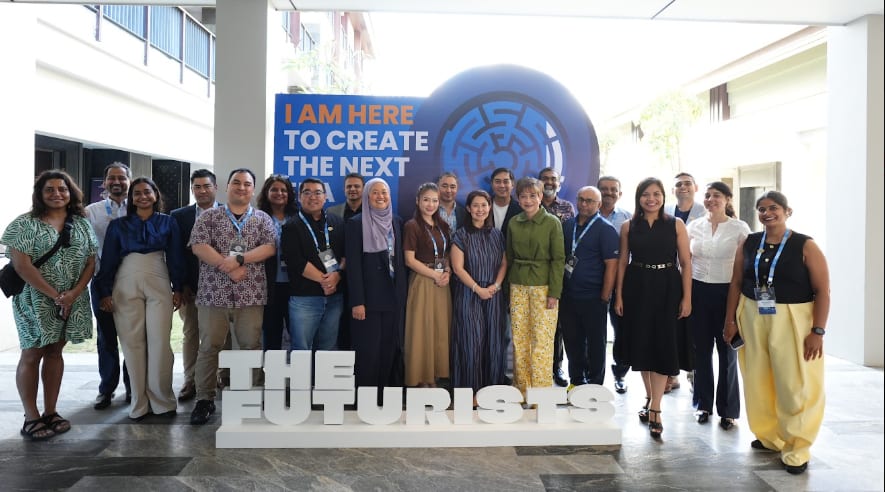
Transformation creates activity. Whether it creates lasting organisational strength depends on the choices beneath it: how work is designed, where judgment sits, how people develop and what employees experience every day.
These questions shaped The Futurists Leadership Retreat II, presented by People Matters and Darwinbox in Bali from 3–5 September 2026. Under the theme Build What Lasts, senior people and business leaders stepped away from immediate delivery pressures to examine what their organisations were becoming.
What are we really building?
The opening session by Pushkar Bidwai, CEO of People Matters, established the retreat’s central provocation: what are leaders building that will endure beyond their own tenure?
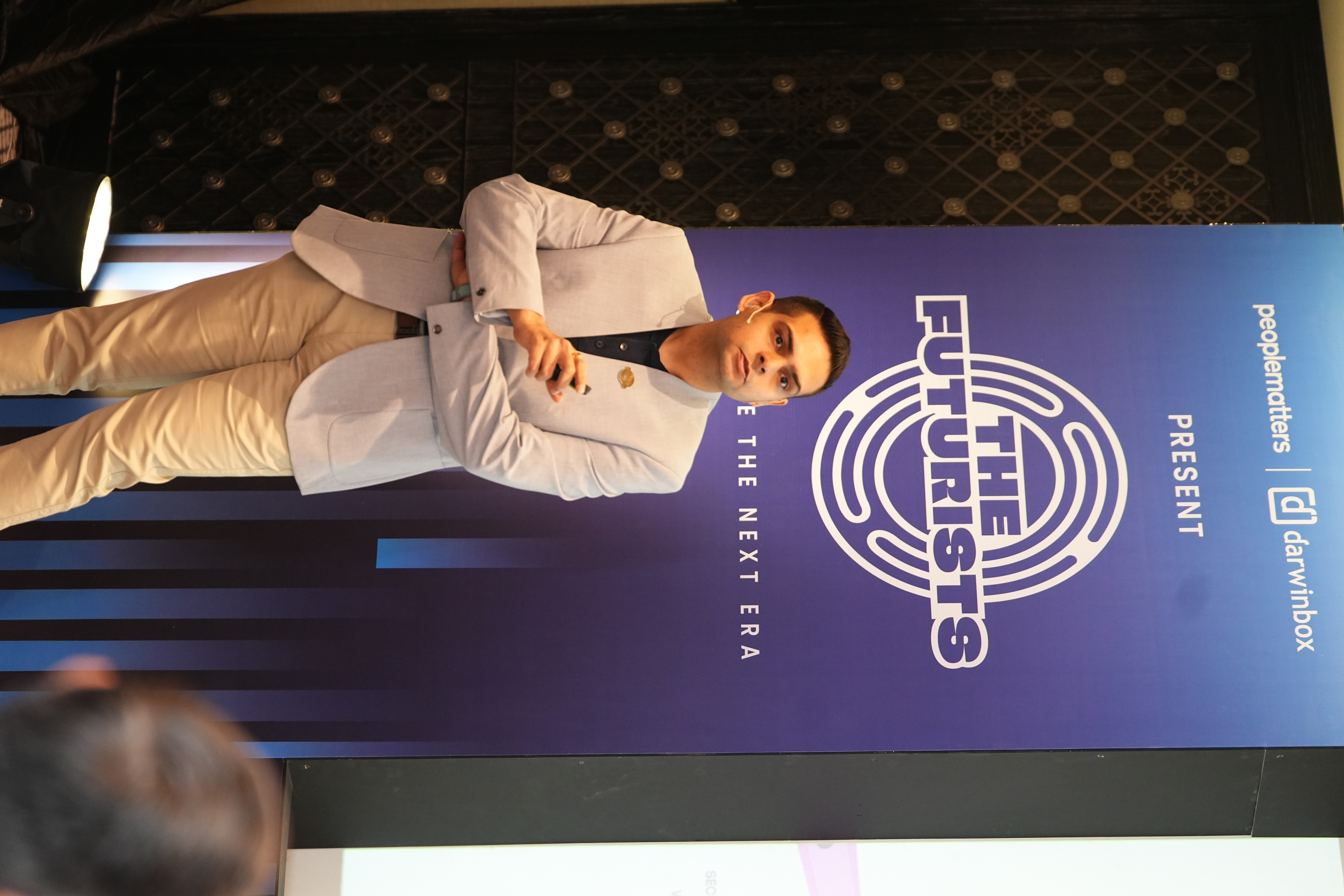
Drawing on a leadership interpretation of Bali’s Tri Hita Karana, Bidwai connected purpose, people and environment. Applied to enterprise transformation, that framing invited leaders to consider what their AI investments serve, whose needs shape the design and what conditions will sustain the organisation.
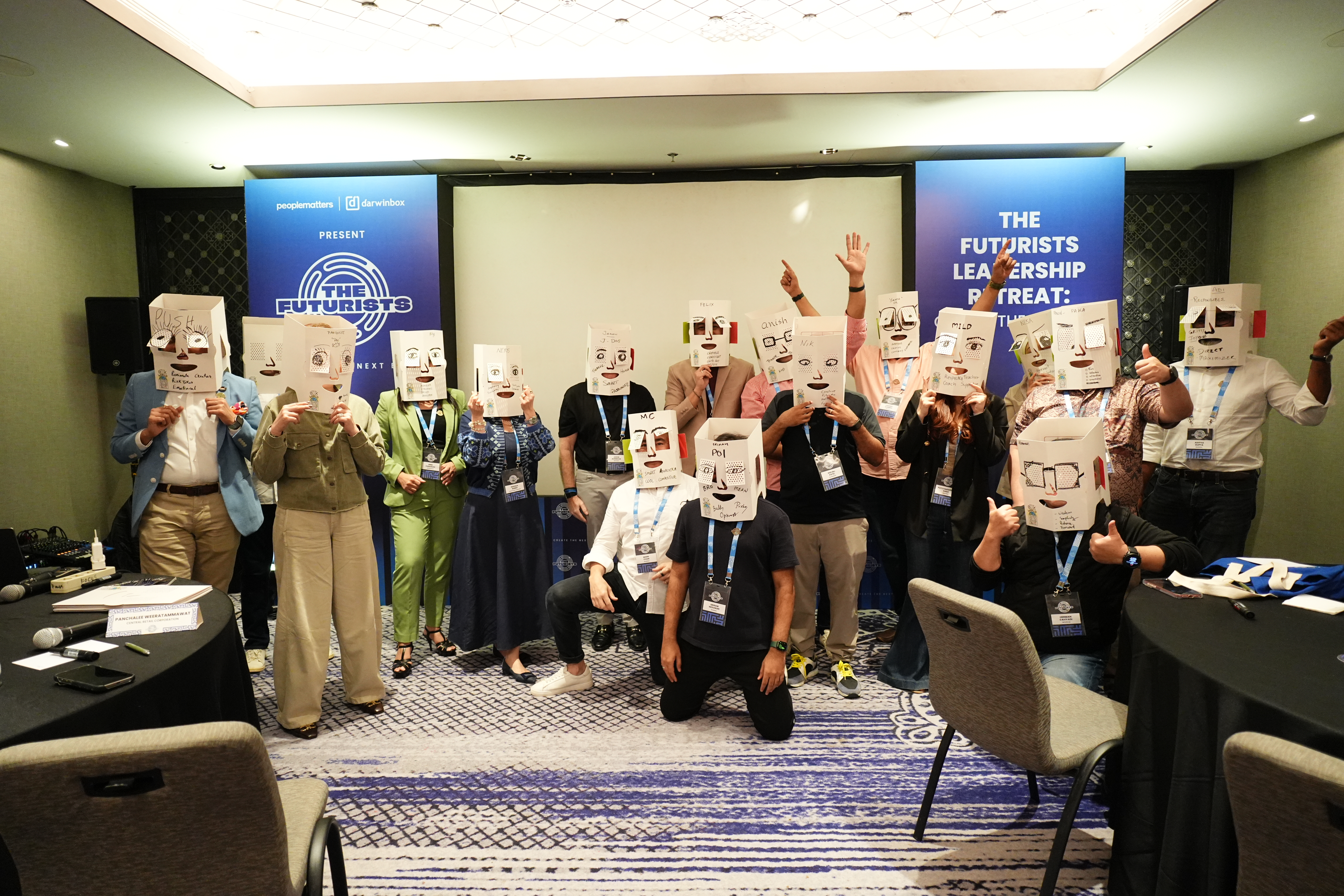
The opening agenda also created space to challenge familiar thinking. Jimbo Clark’s B❒X® Breakthrough Challenge invited participants to examine the assumptions that constrain their choices. Before reconsidering organisational structures, leaders had an opportunity to reconsider their own frames of reference.
Is the process the problem
The second day moved from intention to the practical architecture of transformation.
Jason Averbook, Co-founder of Now to Next, challenged the tendency to introduce new technology into systems whose underlying logic remains untouched. His presentation explored the gap between digitising a process and redesigning the work it supports.
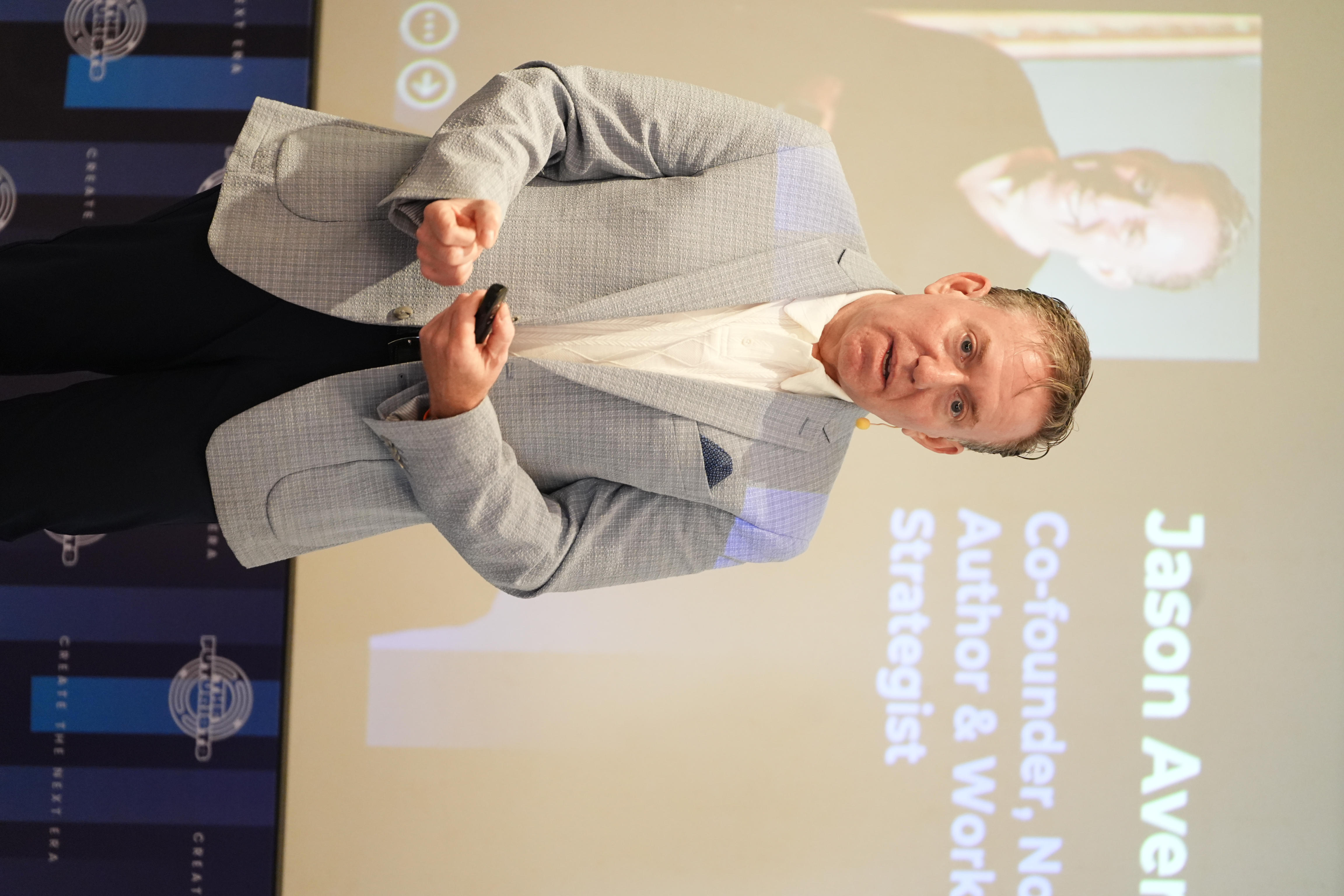
That distinction matters because automation can carry existing dysfunction forward. A faster approval cycle may improve efficiency; questioning whether the approval is necessary can change the operating model. Similarly, producing more output offers limited value if it creates additional checking and rework elsewhere.
Averbook distinguished between routine work to automate, analytical work to augment and human connection to strengthen. The choices differ because the value of each kind of work differs.
The subsequent workshop, led by Averbook and Vikrant Khanna of Darwinbox, extended the inquiry into workflows, decision-making and organisational design. The practical question was how to turn AI capability into a visible improvement in the way work gets done.
Learn to lead
Shaun Wong, Chief Strategy and Planning Officer at CP Axtra and Deputy CEO of Makro International, took the discussion into career structures through his presentation, The End of the Ladder.
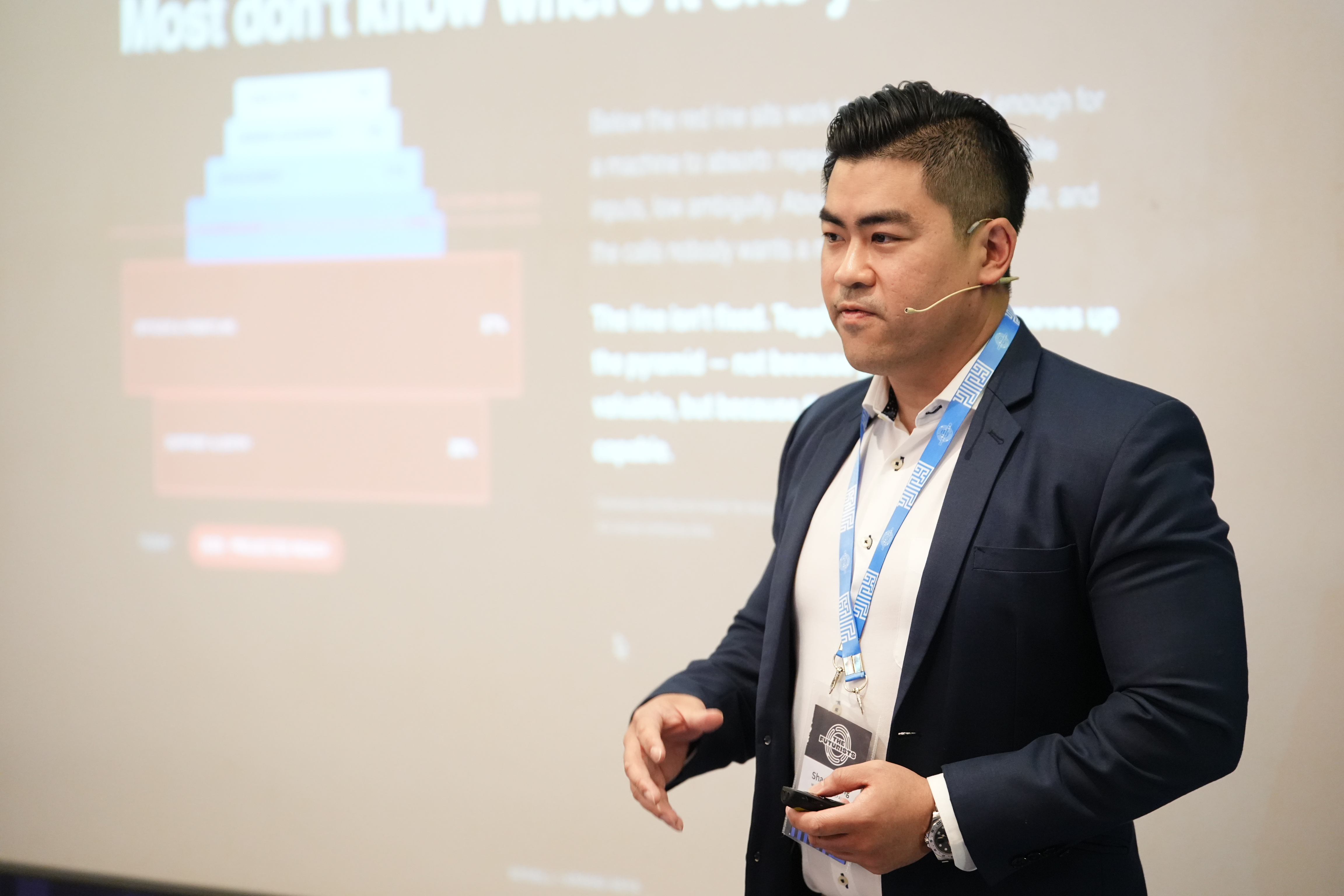
As AI absorbs more routine assignments, the implications extend beyond staffing. Those assignments have often helped junior employees acquire context, practise their skills and develop judgment. Removing them creates a responsibility to build alternative routes to experience.
Management faces a similar reckoning. When technology takes on more reporting and coordination, managers must contribute through direction, coaching and decisions that require context and accountability.
Wong’s task-based approach offered a starting point: examine the work within a role before changing its position in the organisation. Efficiency gains then become a resource leaders can reinvest in the capabilities their business will need next.
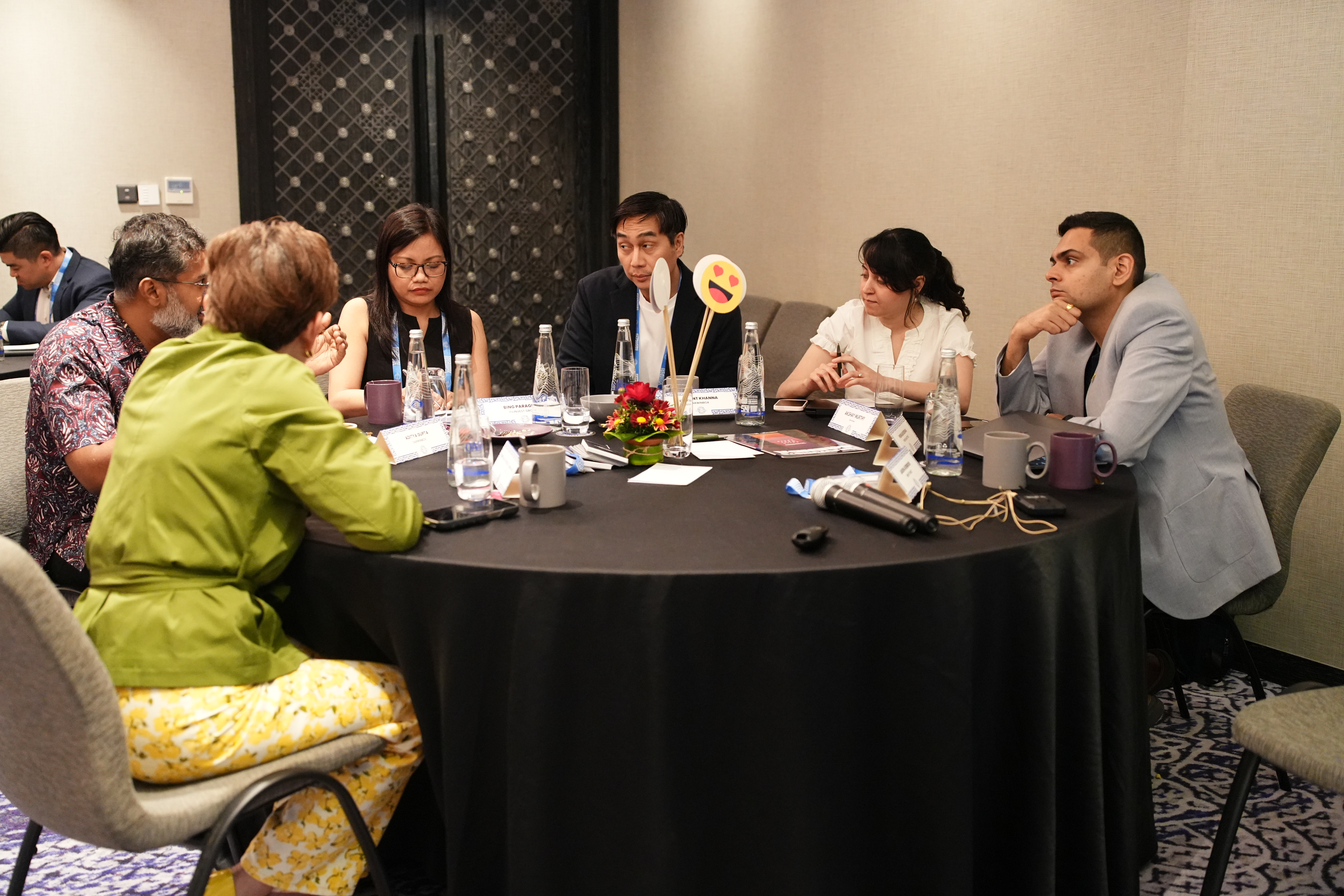
Change within leadership
The afternoon shifted attention to the person making those choices.
The Kintsugi experience, drawing on the art of repairing broken pottery, provided a lens on imperfection, repair and resilience. Within the retreat’s wider agenda, it created space to consider how leaders respond when established approaches no longer hold.
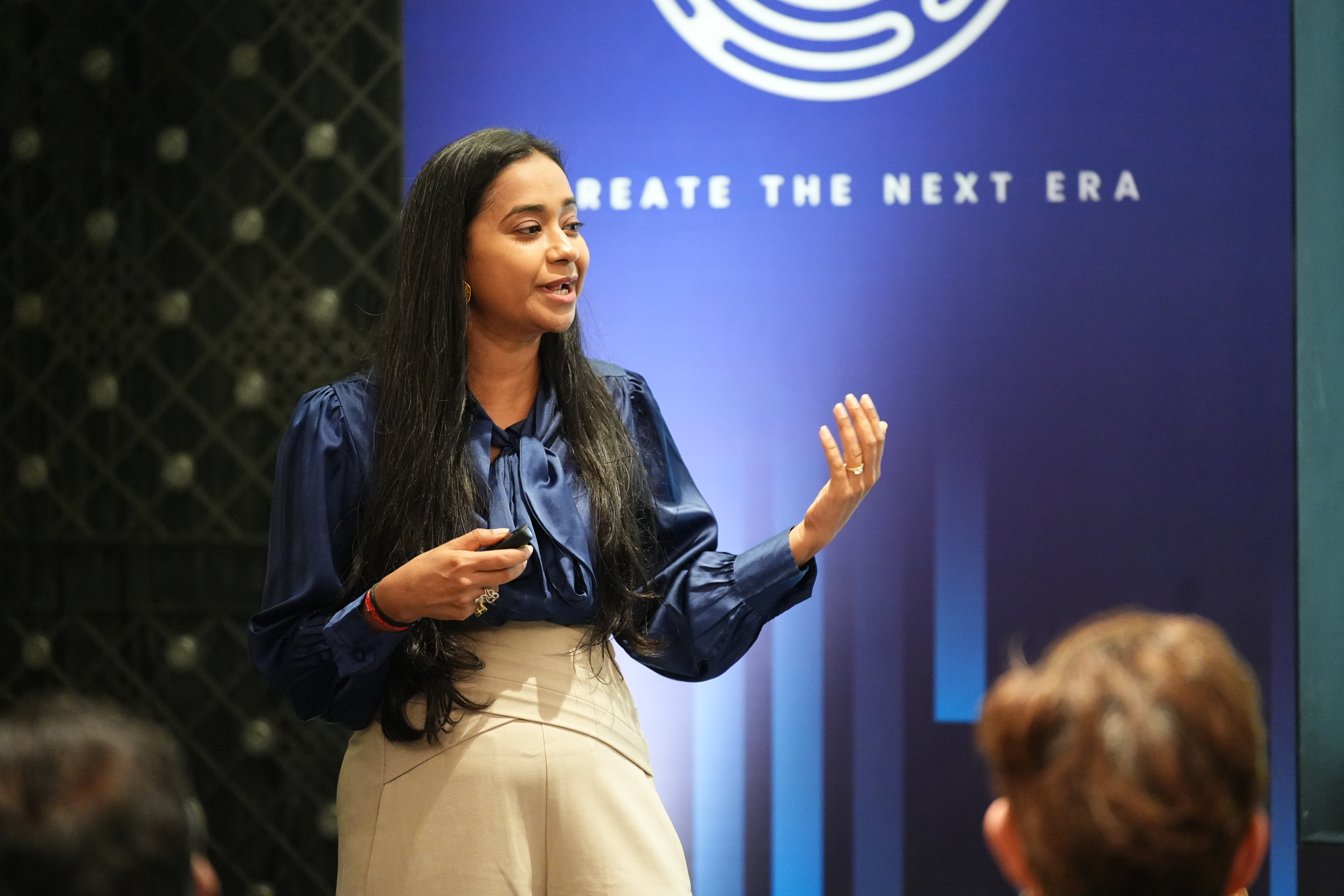
Organisational redesign requires that same willingness to acknowledge limitations, invite challenge and revise decisions. Leaders need the confidence to act alongside the humility to learn.
The programme then returned to enterprise design through Vikrant Khanna’s masterclass on architecting an AI-native organisation. Its focus connected technology foundations with data, governance, skills and ways of working. The agenda placed personal reflection alongside the structural choices required to translate ambition into practice.
Transformation on the ground
The enterprise perspectives grounded the discussion in two distinct operating environments.
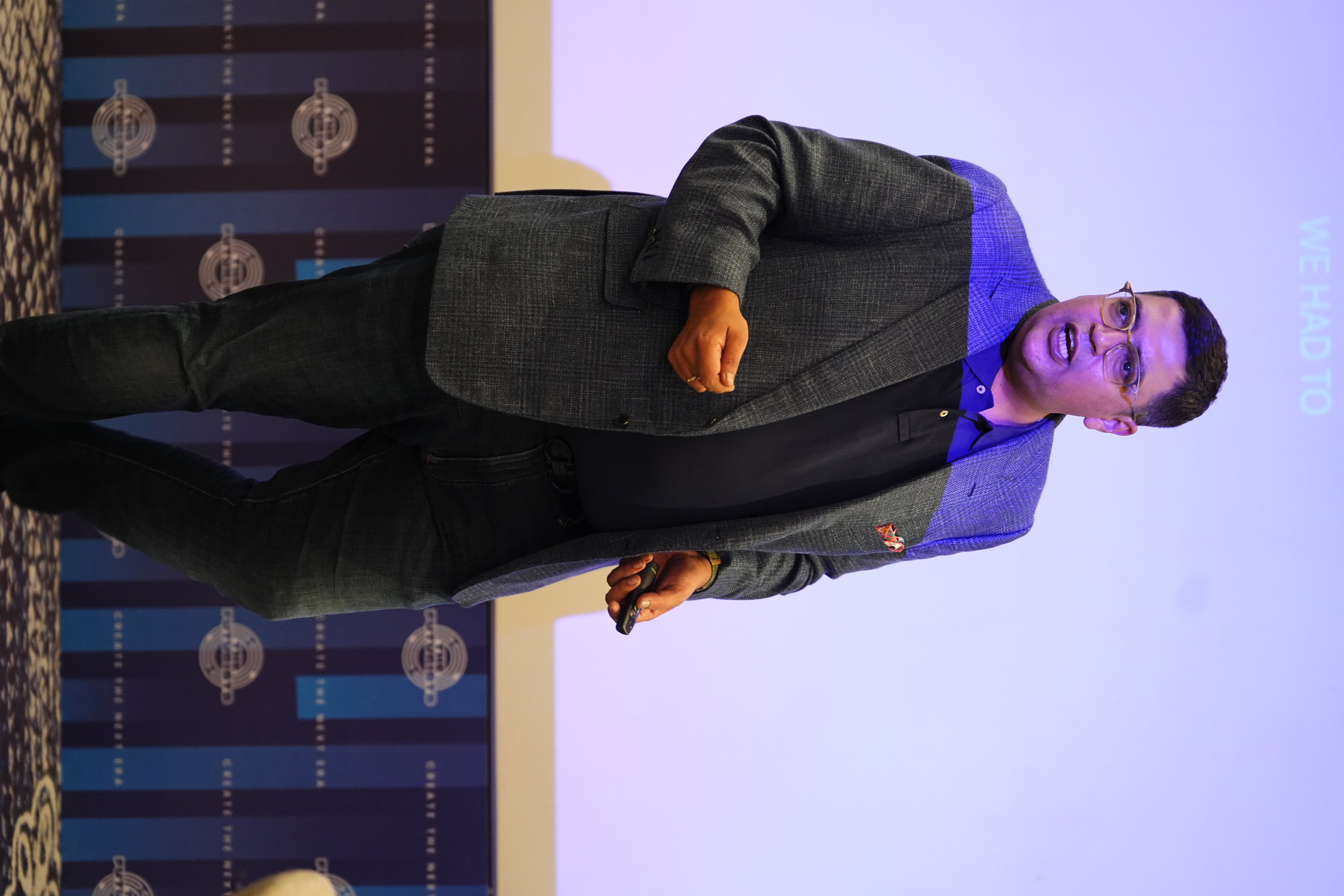
Felix Dan S. Lopez, CHRO of Cebu Pacific Air, used the flight journey to explain HR’s contribution to business value. Business strategy establishes the destination; workforce planning determines the capabilities required to reach it; employee listening helps leaders respond when conditions change.
His presentation also clarified ownership: managers lead people, while HR provides the standards, data, tools and specialist support that enable them. Technology strengthens that system, while leadership remains responsible for the relationships within it.
Nerissa Berba, EVP and Chief People Officer at Security Bank, approached transformation through the bank’s people promise, “You Matter.” Her HeRO presentation explored how that promise could become tangible in everyday interactions.
Fragmented channels, manual handoffs and unclear ownership can make support difficult to experience. Simplifying services and improving transparency therefore does more than reduce administration. It helps employees understand what to expect and whom they can rely on.
Both perspectives brought the same leadership challenge into focus: making organisational intent credible through the way work actually operates.
Leaders carry forward
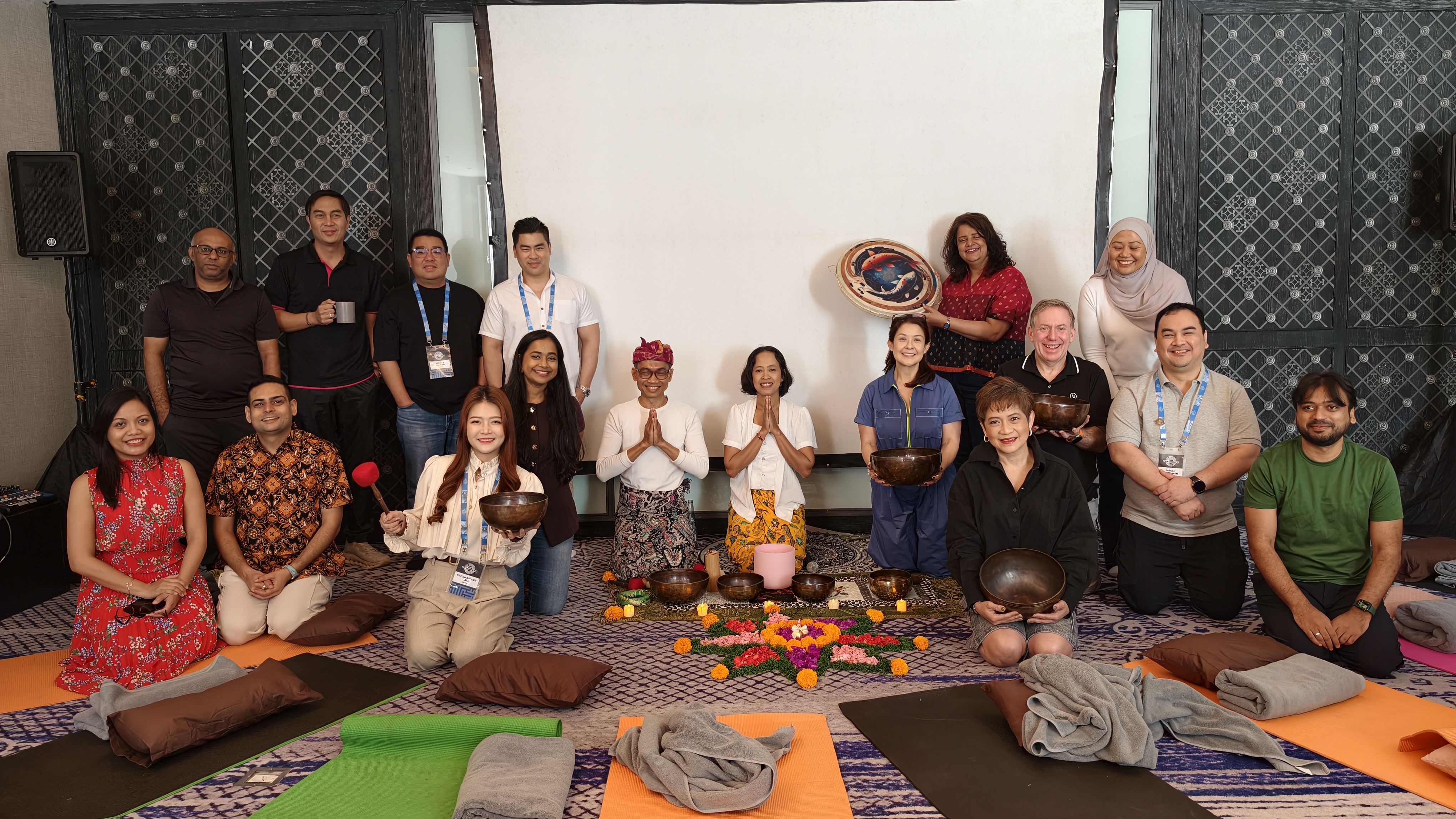
The final day created room for integration through a sound bath and the closing circle, Scripting the Futurist Times.
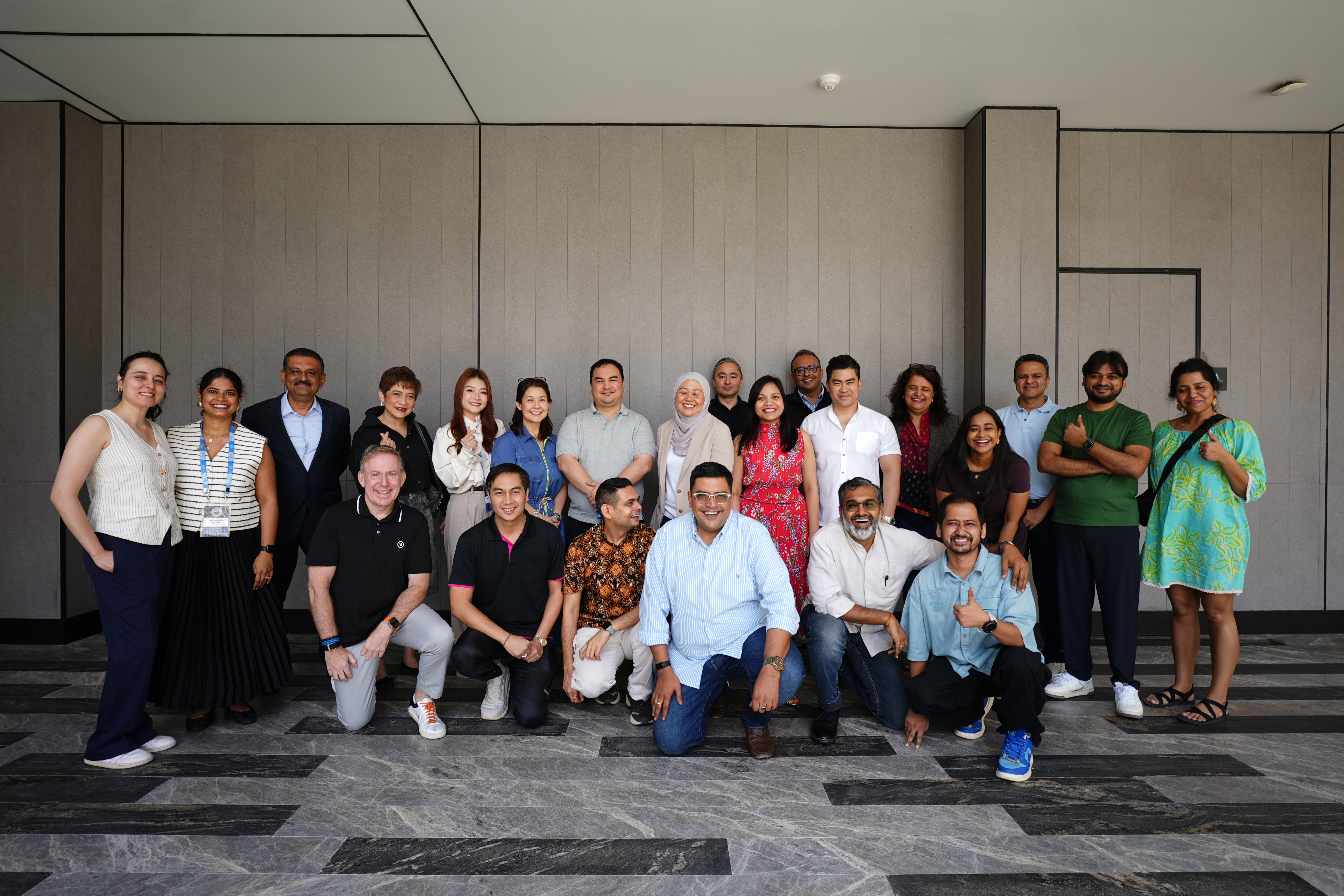
The retreat’s sequence moved from questioning assumptions to examining work, leadership and enterprise practice. Its closing agenda invited participants to translate those reflections into choices and commitments.
For CHROs and business leaders, Build What Lasts asks for a longer view of transformation. Beyond implementation, what capability remains? How will people develop judgment? Can the organisation keep learning without losing the trust of those within it?
The answers will emerge through everyday decisions about workflows, roles and leadership. Together, those decisions determine whether today’s transformation leaves an institution better equipped for whatever comes next.
Branded Content Team
The People Matters Branded Content Team crafts compelling, insights-driven content that connects brands with audiences, drives engagement, and drives meaningful business outcomes.


